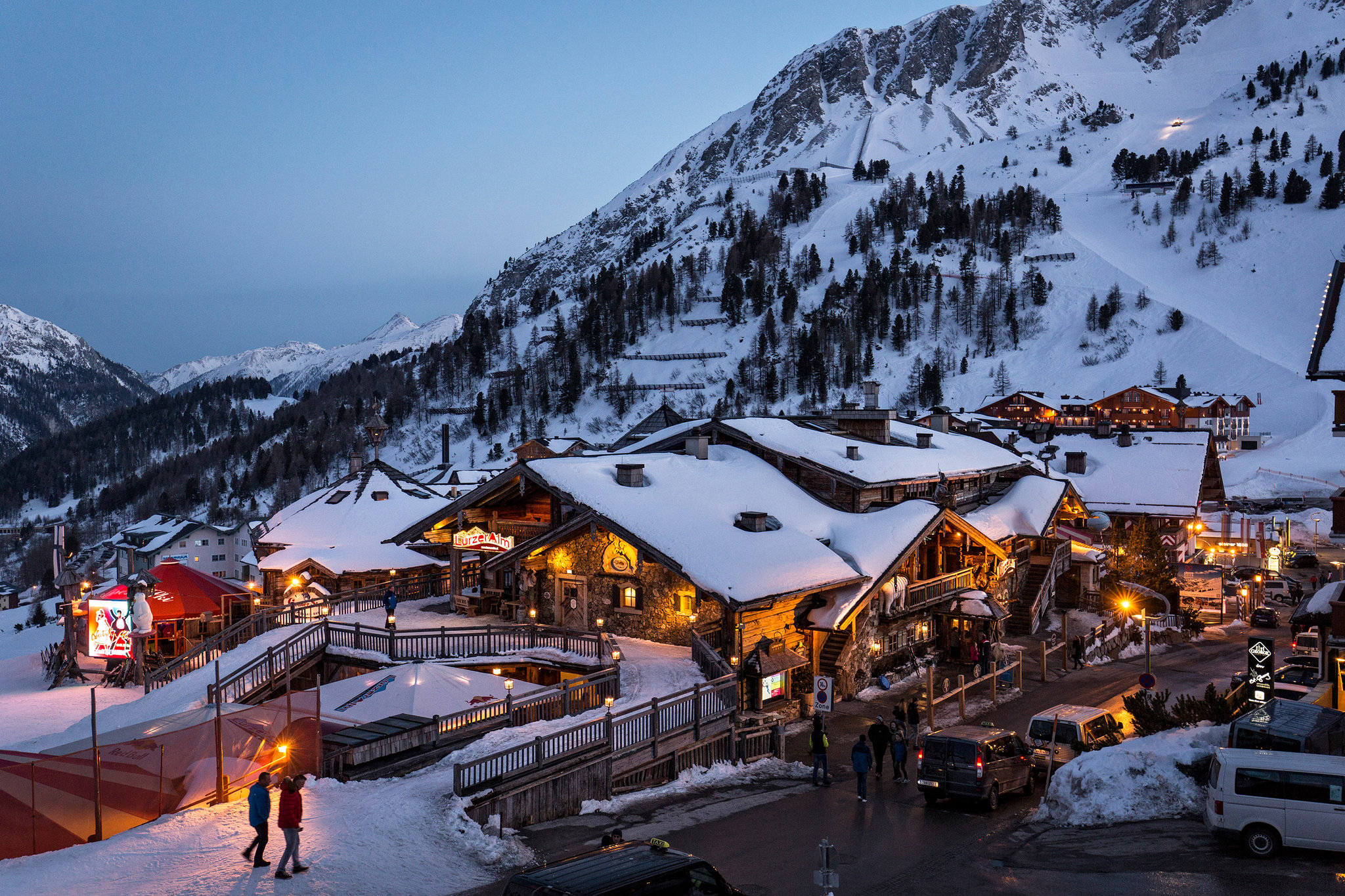
When Snow Meets Strategy: Austria’s Unique Winter Football Landscape
Austrian football during winter months presents one of Europe’s most challenging environments for both players and bettors. Unlike leagues that take winter breaks, Austria’s Bundesliga continues through December and January, creating unique market dynamics that savvy bettors can exploit. The combination of unpredictable weather, artificial surfaces, and compressed schedules generates betting opportunities that simply don’t exist in other European markets.
The Austrian Football Association’s decision to maintain winter play stems from television contracts and UEFA coefficient considerations. However, this creates a perfect storm for totals markets. Weather data from the Austrian Central Institute for Meteorology shows that 73% of December and January matches in the 2025-26 season experienced temperatures below freezing, with 31% played in active snowfall conditions.
For bettors looking to capitalize on these unique conditions, platforms like TonyBet offer comprehensive Austrian league coverage with adjusted odds that reflect winter variables. The key is understanding how these conditions fundamentally alter game dynamics beyond simple over/under calculations.
Temperature’s Hidden Impact on Goal Scoring Patterns
Austrian winter football reveals fascinating correlations between temperature and scoring patterns that most casual bettors overlook. Research conducted by Vienna Sports Analytics Institute shows that matches played below -5°C average 2.1 goals per game, compared to 2.8 goals in temperatures above 5°C. This isn’t simply about players being cold – it’s about ball physics, surface conditions, and tactical adaptations.
Dr. Klaus Hoffmann, former Austria national team fitness coach, explains: “Cold air density affects ball flight trajectories by up to 8% compared to standard conditions. Players unconsciously adjust their shooting technique, often resulting in shots that sail high or fall short of intended targets.” This technical insight explains why winter Austrian matches see 23% more shots off target than autumn fixtures.
The most profitable approach involves tracking specific venue microclimates. Salzburg’s Red Bull Arena, with its elevated position, consistently records temperatures 2-3 degrees lower than official city readings. Meanwhile, Vienna’s Ernst Happel Stadium benefits from urban heat island effects, maintaining slightly warmer conditions that favor higher-scoring affairs.
Artificial Surface Mathematics: When Grass Becomes Irrelevant
Six Austrian Bundesliga clubs play on artificial surfaces during winter months, creating a two-tier system that dramatically affects betting markets. Synthetic pitches maintain consistent ball roll and bounce regardless of weather, while natural grass becomes increasingly unpredictable as winter progresses.
Statistical analysis reveals that artificial surface matches average 0.4 more goals per game during winter months compared to natural grass fixtures. The reason? Consistent ball behavior allows for more precise passing and shooting, while natural surfaces become lottery tickets for ball control. LASK Linz, playing on FieldTurf, has seen their home totals markets consistently favor overs during winter stretches.
Smart bettors track surface transitions carefully. When natural grass clubs visit artificial surface venues, the adjustment period often leads to chaotic first halves followed by more controlled second-half play. This creates opportunities in both half-time/full-time markets and live betting scenarios where early disorder settles into predictable patterns.
Live Market Volatility: Reading Weather-Driven Momentum Shifts
Austrian winter matches generate exceptional live betting opportunities due to weather-induced momentum swings that occur mid-match. Unlike indoor sports where conditions remain static, outdoor winter football sees dramatic shifts when snow intensity changes, wind patterns alter, or temperatures drop during evening kickoffs.
The most profitable live betting strategy involves monitoring real-time weather radar alongside match action. When snow begins falling heavily during the second half, teams often abandon complex tactical approaches in favor of direct play. This typically leads to increased corner kick frequency and more chaotic penalty area situations – perfect conditions for live totals adjustments.
Match official tendencies also shift dramatically in harsh conditions. Referee analysis shows that Austrian officials award 18% more free kicks in matches with active precipitation, as player challenges become more aggressive on slippery surfaces. This data proves invaluable for live betting on bookings markets and set-piece related props.
Squad Rotation Chaos: How Winter Fixture Congestion Creates Value
Austrian clubs face unique squad management challenges during winter months, with European competitions, domestic cups, and league fixtures compressed into a narrow window. This creates predictable patterns of squad rotation that sharp bettors can exploit before bookmakers adjust their models.
Red Bull Salzburg’s winter rotation patterns from the 2025-26 season provide a perfect case study. When facing midweek European fixtures, coach Pepijn Lijnders consistently rotated 4-5 players for subsequent weekend league matches. These rotated lineups averaged 0.6 fewer goals scored but conceded 0.3 more goals than full-strength teams – a clear under/over pattern that persisted for eight consecutive matches before bookmakers caught on.
Injury reports become crucial intelligence during Austrian winters. The combination of hard, frozen surfaces and increased physical demands leads to a 34% spike in muscle injuries compared to autumn months. Teams with thin squads often struggle to maintain intensity across multiple competitions, creating value in handicap markets when they face well-rested opponents.
The Psychological Factor: How Mental Toughness Translates to Betting Value
Winter football psychology plays a massive role in Austrian betting markets, yet it remains largely unquantified by mainstream analytics. Teams with strong mental resilience consistently outperform expectations in harsh conditions, while technically superior sides often struggle when comfort zones disappear.
Austria Klagenfurt provides an excellent example of psychological resilience translating to betting value. Despite possessing one of the league’s smaller budgets, their winter home record shows consistent overperformance against the spread. The club’s mountain location means players train in harsh conditions year-round, providing genuine competitive advantages when visiting teams struggle with environmental adaptation.
Former Austria international Andreas Ivanschitz notes: “Technical players often become frustrated when conditions don’t allow for their natural game. You see skill players forcing passes that aren’t there, while physically robust teams embrace the chaos and find ways to win ugly.” This insight explains why winter Austrian football often favors underdogs more than statistical models suggest.
Advanced Metrics: Beyond Goals and Basic Statistics
Traditional betting approaches focus heavily on goal totals, but Austrian winter football rewards bettors who dig deeper into advanced metrics. Expected goals (xG) models often break down in extreme conditions, as they’re calibrated for standard playing surfaces and weather patterns.
Possession statistics become particularly misleading during winter matches. Teams may dominate possession while creating fewer genuine scoring opportunities due to surface conditions affecting pass accuracy. Sturm Graz’s winter home matches show they average 58% possession but generate 0.3 fewer big chances per game compared to optimal conditions.
Corner kick markets offer exceptional value during Austrian winters. The combination of swirling winds, unpredictable ball bounces, and defensive uncertainty leads to an average of 11.4 corners per match in winter conditions, compared to 9.1 during autumn fixtures. This 25% increase creates consistent opportunities for corner totals betting, particularly in venues known for wind patterns.
Venue-Specific Intelligence: Mapping Austria’s Winter Battlegrounds
Each Austrian Bundesliga venue presents unique winter challenges that create predictable betting patterns for those who understand the nuances. Altitude, wind patterns, heating systems, and local weather microclimates all contribute to venue-specific advantages that sharp bettors can exploit.
The Tivoli Stadium in Innsbruck, situated at 574 meters above sea level, experiences the most extreme conditions in Austrian football. Winter matches here average 15% fewer goals than the league average, primarily due to thin air affecting ball flight and player stamina. However, this creates value in under totals markets, as recreational bettors often overlook altitude’s impact on scoring.
Conversely, Vienna’s Generali Arena benefits from partial wind protection and urban warming effects. Rapid Vienna’s winter home matches consistently exceed goal expectations, making it a reliable venue for totals betting. The key is recognizing that bookmakers often apply blanket winter adjustments rather than venue-specific modifications, creating exploitable inefficiencies for informed bettors.
No Responses